

Community Collaboratives
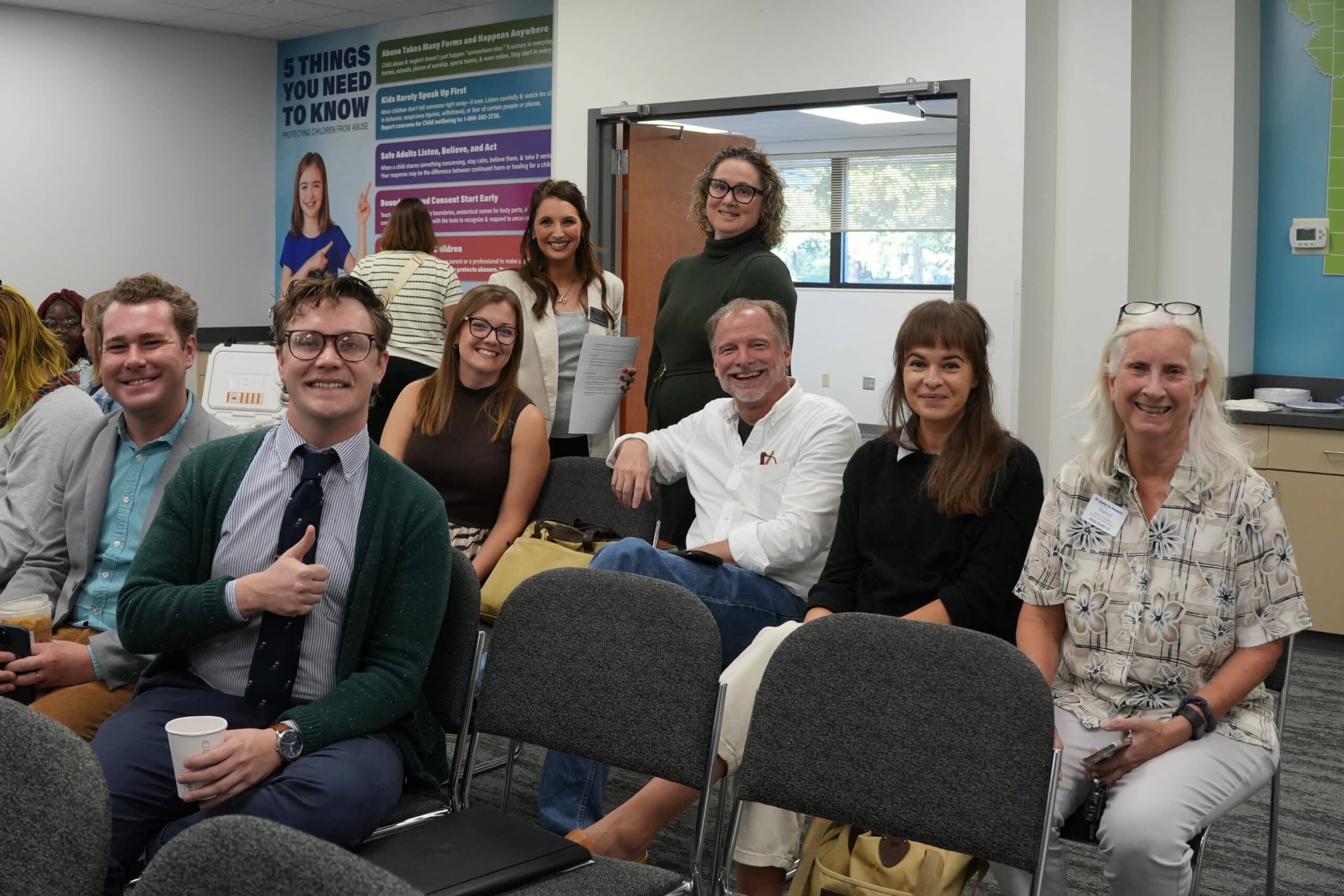
The Community Collaborative initiative creates pathways to raise the standard of living and quality of life for everyone who lives in Springfield and the surrounding area. It brings together and mobilizes diverse stakeholders who work to identify and prioritize key community challenges and resources. The Collaboratives were established in the 1990’s and were developed to adapt and change based on the needs of the community. We currently have nine Collaboratives as well as our Council of Collaboratives. The work of each Collaborative is guided by a strategic plan that ensures progress toward community-wide goals. These strategic plans are prepared in coordination with Community Focus, formerly Community Focus Report, which is housed in Ozarks Public Health Institute at Missouri State University.
For questions about any of the Collaboratives listed below, including meeting times, email collaboratives@cpozarks.org.
Council of Collaboratives
The Council of Collaboratives is comprised of community-based leadership from each Collaborative. The Council works to provide overall leadership for the Collaboratives, connecting the various initiatives to create cross-sector collaboration. The Collaboratives had 241 separate organizations engaged, and volunteers gave 3,008 hours of their time last year.
The Council of Collaboratives provides oversight for Collaborative strategic planning, ensures cross-sector collaboration, and coordination with Community Focus.
Child Abuse and Neglect (CAN) Collaborative
The Child Abuse & Neglect (CAN) Collaborative is working to prevent, intervene, and heal families impacted by child abuse and neglect. This Collaborative coordinates annual efforts around Go Blue month in April, as well as a legislative update to key elected officials and stakeholders. The CAN Collaborative has four key areas of focus:
- Legislative Policy & Advocacy Work
- Support for at-risk individuals
- Education and Prevention efforts
- Provider Systems & Networks
Early Care Collaborative
The Early Care Collaborative advocates to identify, prioritize, and develop strategies to address the quality, affordability, and availability of early care. Bringing together a network of child advocates—such as childcare providers, early childhood educators, employers, community organizations, families, policymakers, funders, and more—the Collaborative focuses on addressing the most pressing early care needs in our community. This Collaborative has four areas of focus:
- Early Childhood Staffing
- Quality of Care
- Legislative Advocacy and Education
- Parent Education and Support
Early Care Collaborative has three active subcommittees:
- Workforce Development – This group is working to address issues hindering a stable and well-supported early childhood care workforce, including inadequate compensation, lack of benefits, and recruitment and retention challenges
- Directors Group – This subcommittee convenes directors and leaders from child care providers to provide support around administrative challenges.
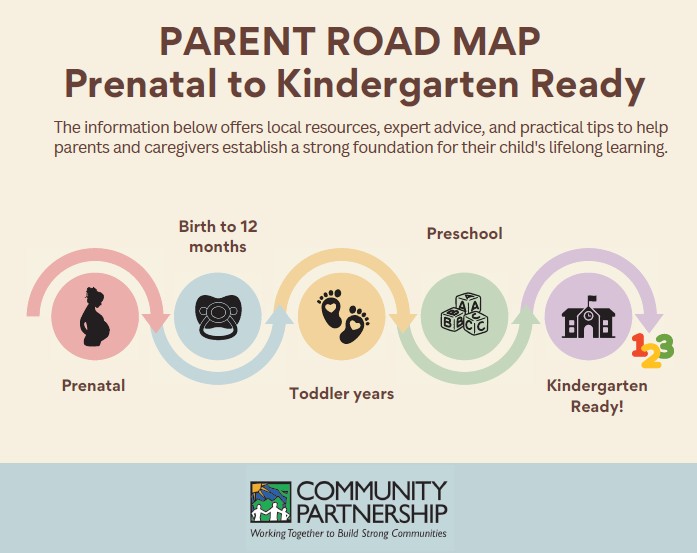
- Parent and Community Education – Empower families with knowledge and resources to support children’s development and school readiness by addressing support for kindergarten readiness, limited participation in home visitation programs, and lack of support systems for new parents.
Education Collaborative
This is a newly formed collaborative that will begin strategic planning in early 2026. This group was formed to respond to Kindergarten through higher education challenges in the Springfield region. To get involved with this group email collaboratives@cpozarks.org.
Environmental Sustainability Collaborative
The Environmental Sustainability Collaborative works to raise community awareness and encourage practices and values that support a healthy natural environment. This group has four key areas of focus, each with a subcommittee:
- Water
- Air/Energy – This subcommittee is comprised of Ozarks Clean Air Alliance and the Ozarks Clean Fuel Coalition
- Solid Waste
- Conservation/Land Use
Food Collaborative
The Food Collaborative works to strengthen a sustainable collaborative food system by addressing barriers of equitable access to nourishing food through education and collaboration. They envision a resilient and inclusive collaborative food system where individuals have equitable access to nourishing food as a cultural norm. The Food Collaborative has four key focus areas, each with a subcommittee working around that issue:
- Food Access
- Education & Advocacy
- Support for Vulnerable Populations
- Collaboration and Partnerships
Interfaith Collaborative
The Mission of the Interfaith Collaborative is to cultivate a thriving, inclusive community where every individual is free to live out their faith and values. We work boldly to dismantle barriers to religious freedom, bridge divides, and address the urgent challenges of our time. Through compassion, courage, and collaboration, we aim to be a model of interfaith unity for other communities. This group was formed when the Have Faith Initiative and the Interfaith Alliance merged to create a singular voice for all interfaith initiatives. The Interfaith Collaborative coordinates the annual Festival of Faiths event. This group has four focus areas:
- Strengthening Community Connection Through Faith-Based Engagement
- Social and Relational Development Through Interfaith Connection
- Major Events as Catalysts for Community Trust and Social Change
- Leadership Resources for Faith-Based Leaders
Health Collaborative
The Health Collaborative aims to enhance community health by fostering collaboration, providing education, and advocating for increased understanding and resources. We envision a community where every individual has opportunities for access to health resources that enhance overall well-being, promote dignity, and increase resiliency. This Collaborative has four focus areas:
- Local Data Collection and Assessment
- Policy and Advocacy
- Patient Empowerment and Education
- Local Collaboration Around Health-Based Systems
- Disability Access Subcommittee
Housing Collaborative
The Housing Collaborative works to advance knowledge on issues related to safe, decent, and affordable housing, from homelessness to home ownership. This group is at the forefront of housing-related issues across our region. They convene legislative events as needed, providing focus around issues related to their work. The group has four key focus areas:
- Affordable owner-occupied preservation
- Affordable tenant-occupied preservation
- Affordable tenant-occupied creation
- Homelessness prevention and transition
The Housing Collaborative has four subcommittees:
- Civic Engagement and Advocacy
- Blighted Property
- Landlord/ Tenant Education
- Housing Opportunities Must Expand (HOME) Team focusing on Universal Design
Transportation Collaborative
The Transportation Collaborative facilitates connections between people, jobs, and community through multiple modes of transportation, throughout the greater Springfield area.
Springfield and its surrounding communities have repeatedly identified transportation access as a vital point within the area and as a significant barrier for many disparity-ridden groups. While there have been many advancements in promoting greater development of local transportation, there are still several significant challenges that exist in the Springfield/Metro area. This group has three key focus areas:
- Shifting the Culture of Transit
- Championing Equity; Safety and Access for All
- Reimagining Trails and Recreation as Civic Assets
For questions about any of the Collaboratives, including how to get involved and meeting times, email collaboratives@cpozarks.org.